












Demisexual or Polysexual: Understanding the spectrum
What does it mean to be demisexual or polysexual? For all those individuals who identify in this way, how are they different from those who identify within the better-known LGBT groups? The reality is that the LGBTQIA+ community is one of the most diverse groups worldwide and is made up of many smaller groups of people from non-traditional sexualities and gender identities. With such a diverse collection of groups and people, Why is it so important for many LGBTQIA+ individuals to create new terms or labels? Words and phrases and that ultimately best sum up or express their thoughts or feelings
Tips for providing inclusive care to the elder community
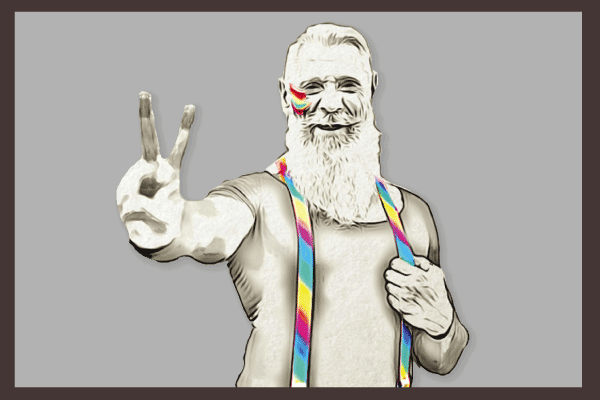
With the number of people aged 65 and over set to double by 2050 and many traditional care services and facilities unable to cater for the needs of the LGBTQIA+ community, what measures and steps can conventional care providers take to become more inclusive? And what would it take for LGBTQIA+ individuals to consider using traditional care facilities and services?
Elder LGBTQIA+ Care: Understanding the challenges
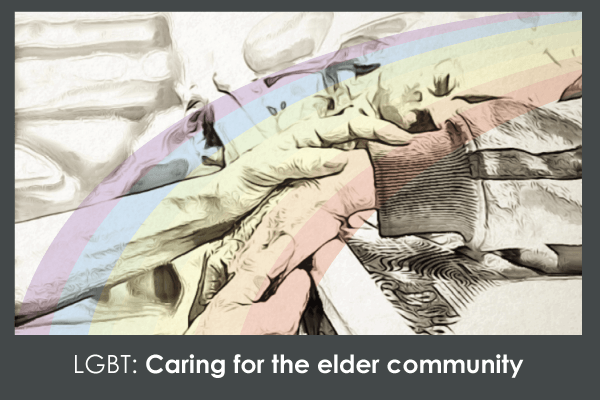
Growing old is inevitable and something we all will face. The older we become, the more likely we will need some form of help and support to perform specific tasks or activities in our daily lives. Though care providers and services will vary by country, many of the problems and challenges faced are universal. From affordability to adaptive solutions, typically, there are many barriers to overcome when it comes to requesting and seeking out care. Though many of the challenges are similar, some are specific to the elder LGBTQIA+ community. From discrimination to isolation in care home settings, these barriers result in many not getting the help they want or need. The more senior LGBTQIA+ community members who need care and support today will likely come from generations and periods when it was not easy to identify as LGBTQIA+. A time when they were forced to hide their sexuality or gender identity, where it was illegal or where they were living in constant fear of persecution. After years of coming to terms with who they are, many now face new dilemmas when needing some form of support or care. So, what does eldercare look like for them? And what are the potential obstacles they might face?
2021: What might we expect from the year ahead?
After a challenging 2020, what might we hope for in 2021? Will we see permanent changes in the way we work and social behaviour? Improved equality for the LGBTQIA+ community, women’s rights and people of colour? Maybe, the removal of fake news from our daily news feeds and positive political changes worldwide? Let us take some time to explore what 2021 might look like
Ancient Gays: LGBTQIA+ individuals throughout history

Some believe that more people identify as LGBTQIA+ than ever before. Often calling it a fad, trend, or just a sign of the times; however, history shows that the community has existed for thousands of years. Many LGBTQIA+ members often played important roles within their communities, societies, and history. The past hundred years have seen many reforms in the laws and rights of the LGBTQIA+ community. However, what was life like for members of the community hundreds or even thousands of years ago?
LGBTQIA+ Relationships: Love across borders
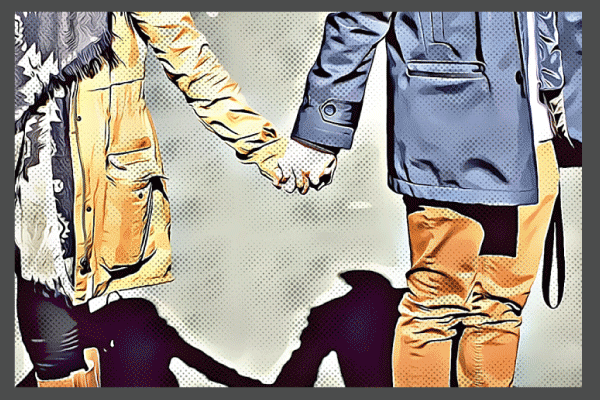
Practical tips when falling in love with someone from a different country. With high-speed internet available worldwide and international air travel much more affordable, falling in love with someone thousands of miles away has become easy and occurs more frequently than ever before. For people who fall in love, what practical steps can they take to make the process of living together in the future easier?
LGBTQIA+ Representation: Are TV and films doing enough?
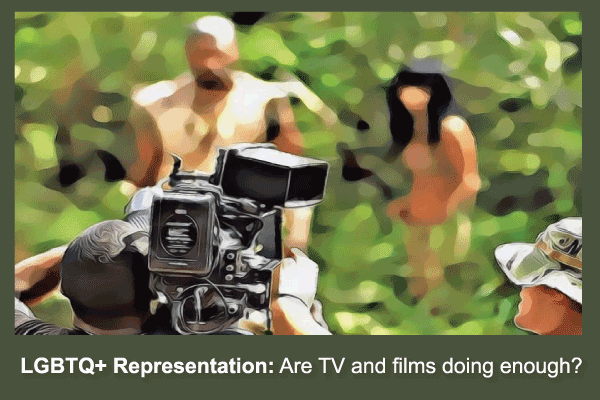
Over the past 50 years, there has been a slow and steady increase in the number of vocal and proud LGBTQIA+ actors and actresses. With more TV shows and films creating leading characters and increasing the number of supporting roles, the community is becoming better represented. However, how close is the entertainment industry’s representation of the community when it comes to real life?
Pride 2020: Joining in with the community by going online
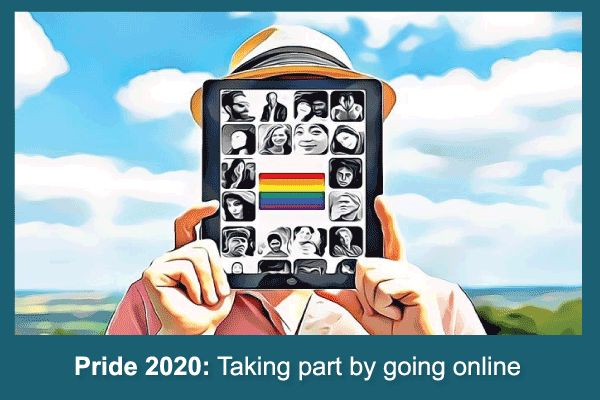
2020 has been a challenging year for everyone, especially those large groups and teams that organise the many annual pride events and marches worldwide. With mandated lockdowns restricting everyone’s ability to attend events, resilient organisers have found new ways to help people come together and celebrate Pride. Online Pride has had a mixed response from the community. However, is there an opportunity to create online content and participation in future events long after the pandemic?
Politicising the vulnerable: targeting minority groups
Throughout time, warlords, kings, religious leaders, and politicians have rallied the masses, mobilised support for their plans, or distracted the majority using divisive methods. One such approach uses fear, hatred and mistrust of groups where the majority usually do not socially interact with the target group and where differences exist. The support is achieved by managing the narrative, weaponising religions, misrepresenting ethnicities, beliefs, and sexualities, and ultimately targeting small groups of vulnerable people and minorities. Sadly, even in these modern times, these tactics and approaches are still being used; however, does this approach really benefit modern-day politicians?
I Believe in Me: becoming your own champion
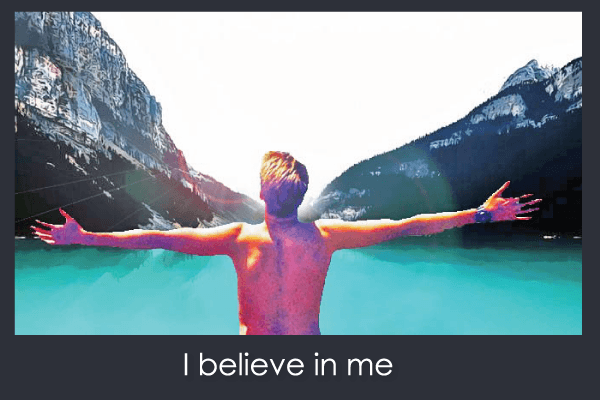
Who believes in you? Knows all your strengths and weaknesses, believes that you can achieve anything you put your mind to and, through your actions, can change the world around you? I know the answer, do you?