Gayther
Gender Identities
(pronounced – jen-der | ˈʤɛndə)
Section providing links, descriptions and information relating to gender identities
Welcome to the Pride in Series at Gayther. A series dedicated to helping people discover more about sexualities, gender identities, and special groups. For those who identify with, take pride in, and learn more about their unique identities. Each series is packed with information, including well-known and notable people, key facts, and a highlight of the wide range of available resources.
TAKE PRIDE IN BEING YOU
You should never be told or feel that being different is wrong. It does not matter if you are straight, gay, or other non-traditional sexual or gender identities. You are you, especially when it is who you are and something you are powerless to change. The Pride in Series is designed to help everyone take pride in; however, they choose to identify, even if that is traditional and cis-gendered identities. Learn more about the various sexualities, gender identities and special groups and let us all be proud of who we are
CONTENTS
SELECTION
GENDER IDENTITIES
DEMYSTIFYING
MORE
SHARE
Select
a sexuality, gender identity or special group from the list
Discover more about all the identities and groups
AGENDER
Click on the name or flag
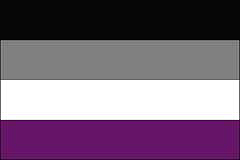
ASEXUAL
Click on the name or flag
BISEXUAL
Click on the name or flag
CHARITIES
Click on the name or flag
DEMISEXUAL
Click on the name or flag
ELDER COMMUNITY
Click on the name or flag
GAY
Click on the name or flag
HETEROSEXUAL
Click on the name or flag
INTERSEX
Click on the name or flag
LESBIAN
Click on the name or flag
NON-BINARY
Click on the name or flag
PANSEXUAL
Click on the name or flag
POLYSEXUAL
Click on the name or flag
QUESTIONING
Click on the name or flag
REFUGEES
Click on the name or flag
SAME-GENDER LOVING
Click on the name or flag
SUPPORT GROUPS
Click on the name or flag
TRANSGENDER
Click on the name or flag
YOUTH
Click on the name or flag
Most views and opinions concerning gender are learned, but should not be the measure used to
define who we are
Extraordinary people
Over the past 50 years, the LGBTQIA+ global community has seen many positive developments, with rights and protections for its members greatly enhanced. These changes are a direct result of the extraordinary individuals who have stood up, often at considerable personal risk, to advocate for and defend community rights. Discover more about some of these remarkable individuals today.
Learn more about yourself by taking any one of the Gayther personality tests or by taking part in any of the questionnaires
Direct to your inbox, be the first to find out about the latest articles, community news and upcoming events from the fortnightly Gayther Newsletter
pride is about learning more about the various
identities, sexualities and special groups
More about gender identities?
To understand LGBTQIA+ gender identities, you need to break the subject into three distinct groups; biological gender, gender identity and gender expression.BIOLOGICAL GENDER
Biological gender, or sex at birth, refers to an individual’s gender based on physical appearance and anatomy. A medical professional or other qualified person determines the baby’s gender at birth. There are three genders, male, female and Intersex. Intersex people are typically born with male and female characteristics; however, one gender attribute will usually be more dominant. Within the LGBTQIA+ Community, you will often see abbreviations such as AFAB (assigned female at birth) or AMAB (assigned male at birth) used by people transitioning or unable to conform to traditional gender identities.GENDER IDENTITIES
Everything we know about gender is taught to us throughout our lives. How we behave and what is expected of us are passed down to children by their families and the societies in which they grow up, and they influence their lives. Gender identities and stereotypes vary by country and region; however, most attitudes and views have evolved under the influence of historical factors such as religion and tradition. For some people, the more aware they become of their gender and expectations, the more disconnected they feel. They often feel despair at being trapped in somebody else’s body, not identifying with their sex at birth or belonging to a different gender altogether. The disassociation in gender is not new; it has been around for thousands of years and has been referenced throughout history. How a person identifies is more about how they think and feel about themselves, accepting who they are and the journey, for some, for their outer appearance to reflect their inner self.GENDER EXPRESSION
If we are taught how to act and what society expects of us, how do people present these traits and behaviours? Gender expression relates to how a person behaves, their mannerisms, appearance, voice and interests, all of which form how they present themselves to the world. Gender expression is not limited to genders. Many groups within the LGBTQIA+ Community either identify as fluid (shifting between masculine and feminine identities) or do not identify as binary (male or female). Positive representation helps in
Acceptance and coming to terms with a part of what makes you can be challenging for many people. The Gayther pride in series is about celebrating all things relating to sexualities, gender identities and special groups. Showcasing the exceptional people, interesting facts and ways to connect with those unique communities, all designed to help and promote pride in LGBTQIA+ identities.
Discover answers to some of the most commonly asked questions relating to gender identities
all the questions most
commonly asked
All about the X
As the world has become more aware of gender identities, salutations and terms have also evolved. Mx has become the salutation for those unable to identify with the traditional Mr., Ms., or Mrs. The word to describe women has become womxn, replacing the name section that includes men. The changes reflect that many of the traditional salutations are gender-specific and play to outdated definitions
Outdated definitions
Most of what we know and understand about gender is from what we are taught. The teachings will vary by society, country and continent; however, many still use outdated definitions and stereotypes of what it means to be male or female. As new generations are born and grow up, they begin questioning stereotypes, continually changing and evolving the definitions of what gender means. You only have to look at what was socially accepted in the past and how many are now frowned upon and condemned today
Pronouns that do not restrict
Historically, there were only three pronouns used: he, she and they. Each of those pronouns has specific associations relating to gender and creates issues when a person cannot identify with either gender or has a gender identity that is fluid. Changing how you address a person not only shows support but also that you respect who they are or want to be
Evolution means changing
Throughout history, people have adapted and changed to their environment. Typically, evolving through learning and understanding more about the world around them. Gender views in the 2nd century differ from those of the past, so adapting and updating gender definitions is simply part of the natural order. Remembering that LGBTQIA+ individuals with diverse gender identities or expressions are just looking to live a life true to how they think and feel
Bathroom grey areas
Objections have been raised relating to LGBTQIA+ individuals using bathrooms or restrooms based on their gender identity. The subject is often emotive; however, there is no evidence or statistics to support the argument that LGBTQIA+ people affect the safety of cisgender people in bathrooms/restrooms; instead, they form the group most likely to suffer abuse and discrimination when using public bathrooms
All about genes
There are only 70 genes that determine a baby’s sex. Before week 7 of the pregnancy, all foetuses are the same during a period known as the genital ridge. After week 7, the Y chromosome present for male foetuses will signal the start of testosterone and begin the formation of male genitalia
Understanding the world around us with
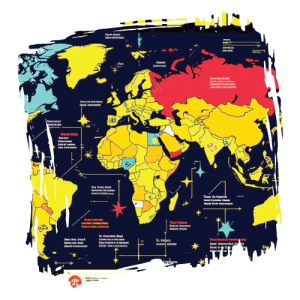
Discover the Gayther Indices, community-related trackers that are among the most comprehensive LGBTQIA+ resources worldwide, covering a wide range of themes from global equality to healthcare systems, to help inform and engage everyone. Whether you are looking for the perfect travel destination or aiming to better understand and support equal rights for community members across the globe, the Gayther Indices are your essential international resource.
pride is about learning more about the various
identities, sexualities and special groups
The pride-in series is primarily about showcasing the exceptional groups and people that make up the global LGBTQIA+ community. Taking pride is about educating and sharing information about the various identities, sexualities and special groups. It is a platform that showcases and highlights the groups of individuals who make up the global community and, hopefully, helps people feel pride. Experiences and treatments will vary for people from different groups within the international community.
Many will share similarities and even unite within the common cause for equality and legal recognition. However, how a person chooses to identify can vary greatly depending on the country, society, and culture they live in. The pride-in series will help them connect with their community and provide many reasons to be proud, regardless of how they choose to identify or love. Whether a person is straight, gay, transgender or cisgender, the pride-in series is for everyone and highlights that we are all unique and special.
Acceptance and coming to terms with how a person chooses to identify or love, especially accepting it themselves, is hard. The process of self-discovery and acceptance is often the most significant and challenging step for anyone from the LGBTQIA+ community. The acceptance process can be complex and made worse when we cannot connect with or identify others like us. Failing to find positive representation can make a person feel disconnected, alone and isolated.
The reality is that once a person becomes aware that others out there think and feel as they do, even in part, it can be liberating. Often, it helps them feel represented and reassures them that they are not alone. No one is the same, and if a person cannot identify with a group, it does not mean there are not others out there who think and feel similarly. Sexualities, identities, age, and circumstances are not always easy to group, define, or even be fluid.
Being different from the majority is not always easy. Understanding and accepting who they are often takes immense courage, especially given the risks many will likely face. Positive representation and education can help, giving them a platform to take pride in who they are or have become. There is no right or wrong, normal or different, just unique people with common goals and with aspirations to be free, loved, and safe.
Learn more about the extensive resources available on Gayther, which takes pride in all the groups that form the global community, including those from conventional identities and sexualities. Ultimately, remembering that we are all unique and special, and how we identify and choose to love, is part of who we are as individuals, but not the only thing that defines us. Love is love, and accepting those different to us is crucial in a free and fair society.
Many will share similarities and even unite within the common cause for equality and legal recognition. However, how a person chooses to identify can vary greatly depending on the country, society, and culture they live in. The pride-in series will help them connect with their community and provide many reasons to be proud, regardless of how they choose to identify or love. Whether a person is straight, gay, transgender or cisgender, the pride-in series is for everyone and highlights that we are all unique and special.
Acceptance and coming to terms with how a person chooses to identify or love, especially accepting it themselves, is hard. The process of self-discovery and acceptance is often the most significant and challenging step for anyone from the LGBTQIA+ community. The acceptance process can be complex and made worse when we cannot connect with or identify others like us. Failing to find positive representation can make a person feel disconnected, alone and isolated.
The reality is that once a person becomes aware that others out there think and feel as they do, even in part, it can be liberating. Often, it helps them feel represented and reassures them that they are not alone. No one is the same, and if a person cannot identify with a group, it does not mean there are not others out there who think and feel similarly. Sexualities, identities, age, and circumstances are not always easy to group, define, or even be fluid.
Being different from the majority is not always easy. Understanding and accepting who they are often takes immense courage, especially given the risks many will likely face. Positive representation and education can help, giving them a platform to take pride in who they are or have become. There is no right or wrong, normal or different, just unique people with common goals and with aspirations to be free, loved, and safe.
Learn more about the extensive resources available on Gayther, which takes pride in all the groups that form the global community, including those from conventional identities and sexualities. Ultimately, remembering that we are all unique and special, and how we identify and choose to love, is part of who we are as individuals, but not the only thing that defines us. Love is love, and accepting those different to us is crucial in a free and fair society.
Exceptional and diverse
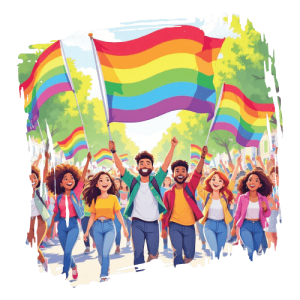
Discover more about the diverse and extraordinary global LGBTQIA+ community. Find interesting facts, enjoy engaging interactive games, learn about pioneering advocates, and take pride in all sexualities, gender identities, and special groups. Explore everything LGBTQIA+ with Gayther today.
When travelling, as a non-native speaker of a language or when you cannot speak, communicating how you think and feel to a medical practitioner can be challenging. The medical diagnosis interpreter, also known as the MDI, is a free click-and-point solution where you can use literal translations for up to 89 different languages
Knowing the local emergency telephone numbers is crucial, whether at home or abroad. The Gayther guide not only provides the various telephone numbers for the emergency services worldwide but also common phrases in the native language
When escaping persecution or conflict, travelling through a country as a non-native speaker of a language or when you cannot speak is difficult. Quickly communicating your needs and any required assistance is challenging and often time-critical. The refugee communication tool is an essential tool designed to help anyone in a problematic situation share their circumstances with those in a position to help
Helping you get the support you need
When disaster hits, it is crucial to get the right information quickly. From the correct emergency telephone number wherever you are in the world to how we communicate with a medical professional during an emergency, Gayther offers a range of useful tools, such as the emergency telephone number tool and the medical diagnosis tool. Discover the Emergency Services tools today.
Connect with the community
Gayther Affinity is a private platform for the global LGBTQIA+ community. A space that gives you the freedom to be yourself. Helping you communicate with and connect to people similar to yourself. People from around the world from all age groups and backgrounds. Signup for your free Affinity account today
Gayther
your community resources
A community platform that features a variety of tools, services, guides, and much more. Free tools and services tailored toward the global LGBTQIA+ community
The big directory comprises fourteen groups and over one thousand categories, from travel accommodation to home maintenance
There are thousands of events taking place, it is not always easy to know what is going on and when, Gayther can help
The Care Providers and Services directory lists businesses and services that are inclusive and welcoming to all
There are millions of non-profit organisations, advice services, and support groups worldwide, all designed to help you
The RM Directory is designed to showcase organisations and services experienced in assisting those seeking refuge or relocating. Whether a refugee who is forced to leave home due to war or a migrant seeking out better living conditions, the RM Directory can help
Find inclusive businesses and services
The Gayther platform features seven inclusive and interactive directories, from detailed weather updates to listing services that showcase the inclusivity of businesses, services, and events for the global LGBTQIA+ community. Learn more about each directory and how they can help you find what you need. Discover more about Gayther today.
When we explore, we learn; the more we know, the greater our
understanding of the world
Gayther is a positive platform for everyone. One that empowers people to understand more about the LGBTQIA+ community by dispelling misinformation, to showcase all aspects of the exceptional and diverse global community and all that it contributes to the world
IMPORTANT DISCLAIMER: The information displayed on this page is for illustrative purposes only and does not constitute advice. It is essential that, before travelling, you independently gather information specific to your requirements and circumstances. Though we endeavour to keep all information across the site up to date, we do not guarantee the accuracy or completeness of any information displayed. The languages and terms featured on this page are literal translations and have not been validated or verified. The service is provided free of charge, and by using it, you accept that you are doing so at your own risk. This page may contain external links to third-party websites; Gayther provides these links for your convenience and does not endorse, warrant or recommend any particular products or services. By clicking on any external links, you will leave Gayther and be taken to the third-party website, which you do so at your own risk and by accessing the site, you will be required to comply with the external third party’s terms and conditions of use and privacy policies
Click on any of the circles to learn more about a gender identity