Gayther
Gender & Gender-Neutral Pronouns
All about modern-day personal pronoun usage
Personal pronouns have existed for centuries in many forms and languages. Pronouns are usually used when people address us directly or indirectly, and when we refer to others during communication. Traditional pronouns focus on an individual’s gender or sex, such as ‘he’ for men and ‘she’ for women; however, gender-neutral pronouns have become more common among individuals who identify as transgender, gender-fluid, gender-nonconforming, or non-binary.
CONTENTS
LIST OF PRONOUNS
SHE PRONOUN
THEY PRONOUN
PER PRONOUN
SIE PRONOUN
TEY PRONOUN
VE PRONOUN
ZIE PRONOUN
ABOUT
MORE
SHARE
List
of all the avaliable pronouns
Exceptional and diverse
Discover more about the diverse and extraordinary global LGBTQIA+ community. Find interesting facts, enjoy engaging interactive games, learn about pioneering advocates, and take pride in all sexualities, gender identities, and special groups. Explore everything LGBTQIA+ with Gayther today.
He Pronoun
The He pronoun is a modern English singular personal pronoun referring to the third person, typically those with a male or masculine identity. The He pronoun is traditional and widely
used when referring to men
PRONOUN IN ACTION
- He is happy
- It is all about Him
- His Life
- That is His
- Loves Himself
DUTCH
hij, hem, zijn
FRENCH
il, lui, sien
GERMAN
er, sein, selbst
ITALIAN
lui, di lui, il suo, lui stesso
PORTUGUESE
ele, dele, nele
SPANISH
él, su, él mismo, el
SWEDISH
han, honom, hans
Valuable resources
HE PRONOUN NAME BADGES & EMAIL FOOTERS
Download a variety of colourful pronoun badges and email footers, all designed to help you share and communicate your preferred pronouns. Once you click on the link, a PDF document will download, showing your chosen pronouns. You are free to print and use the templates for both personal and commercial purposes.
Legal recognition of
Gender dysphoria affects many individuals each year. Many feel trapped in the wrong body and seek to alter their appearance to reflect their true self. For those progressing through their transition, it is often a challenging and lengthy journey, but it is ultimately rewarding when they express their authentic identity. Learn more about different countries around the world and the legal status, recognition, and support for gender identities.
She Pronoun
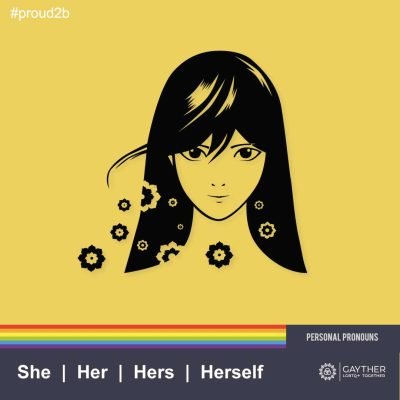
The She pronoun is a modern English singular personal pronoun referring to the third-person, typically those with a female, femxle or feminine identity. The She pronoun is traditional and widely used when referring to women or womxn
PRONOUN IN ACTION
- She is happy
- It is all about Her
- Her life
- That is Hers
- Loves Herself
DUTCH
zij, haar, haar
FRENCH
elle, elle, sienne
GERMAN
sie, ihr, sie selber
ITALIAN
lei, di lei, la sua, se stessa
PORTUGUESE
ela, dela, nela
SPANISH
ella, su, ella misma, la
SWEDISH
hon, hennes, hennes
Valuable resources
SHE PRONOUN NAME BADGES & EMAIL FOOTERS
Download a wide selection of colourful pronoun badges and email footers, all designed to help you share and communicate your preferred pronouns. Once you click the link, a PDF will download displaying your chosen pronouns. You are free to print and use the templates for both personal and business use
Positive representation helps in
Acceptance and coming to terms with a part of what makes you can be challenging for many people. The Gayther pride in series is about celebrating all things relating to sexualities, gender identities and special groups. Showcasing the exceptional people, interesting facts and ways to connect with those unique communities, all designed to help and promote pride in LGBTQIA+ identities.
They Pronoun
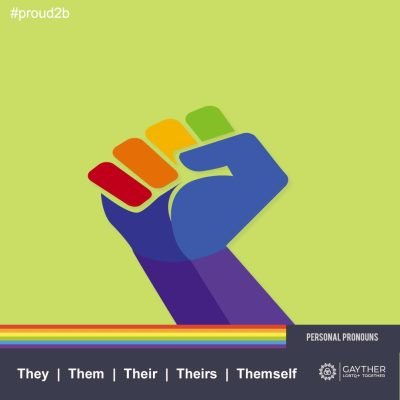
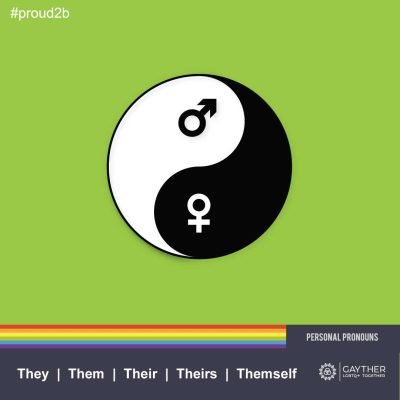
The They pronoun is a modern English pronoun with two usages, in plural form when referring to a group or a singular personal pronoun referring to the third person. The singular pronoun relating to they dates back to the 14th century, which was revived in the 21st century. The They pronoun is typically used by individuals that are gender non-conforming, genderfluid or any of the various non-binary identities
PRONOUN IN ACTION
- They is happy
- It is all about Them
- Their life
- That is Theirs
- Loves Themself
DUTCH
ze, hen/hun, hunne
FRENCH
elle, elle, sienna
GERMAN
sie, ihre, sich selbst
ITALIAN
loro, loro, il loro, loro stessi
PORTUGUESE
eles, deles, neles
SPANISH
ellos, suyo, ellos mismos, los
SWEDISH
de, dem, deras
Valuable resources
THEY PRONOUN NAME BADGES & EMAIL FOOTERS
Download a wide selection of colourful pronoun badges and email footers, all designed to help you share and communicate your preferred pronouns. Once you click the link, a PDF will download displaying your chosen pronouns. You are free to print and use the templates for both personal and business use
Find inclusive businesses and services
The Gayther platform features seven inclusive and interactive directories, from detailed weather updates to listing services that showcase the inclusivity of businesses, services, and events for the global LGBTQIA+ community. Learn more about each directory and how they can help you find what you need. Discover more about Gayther today.
OTHER SECTIONS | QUICK LINKS
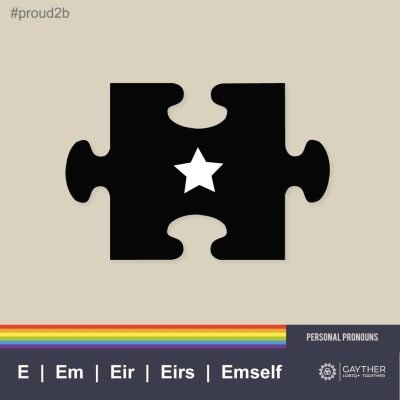
E Pronoun
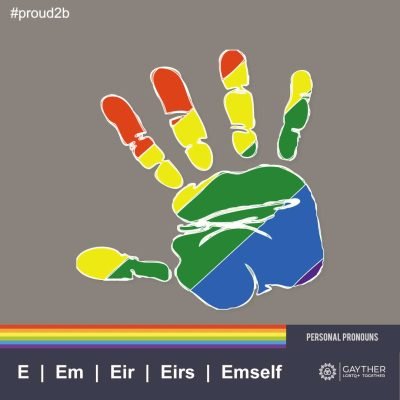
The E pronoun, also known as the Spivak pronoun, is a modern English non-gender or gender-neutral pronoun used to refer to the third person. The E pronoun was recorded to be first used in the last 1800s and 1983; the mathematician-educator Michael Spivak used the pronoun when he wrote a manual using E, Em and Eir. The pronoun is typically used by individuals that are gender non-conforming, genderfluid or any of the various non-binary identities
PRONOUN IN ACTION
- E is happy
- It is all about Em
- Eir life
- That is Eirs
- Loves Emself
DUTCH
hen, hen/hun, hunne
FRENCH
iel, ielle, leur
PORTUGUESE
ile, dile, deles
SPANISH
elle, su, elle misme, le
SWEDISH
hen, henom, hens
Valuable resources
E PRONOUN NAME BADGES & EMAIL FOOTERS
Download a wide selection of colourful pronoun badges and email footers, all designed to help you share and communicate your preferred pronouns. Once you click the link, a PDF will download displaying your chosen pronouns. You are free to print and use the templates for both personal and business use
Community rights and protections
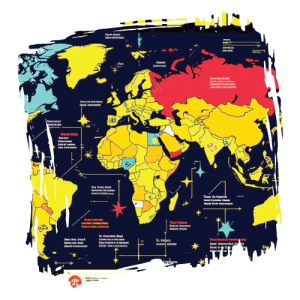
Each year, learn how different countries and regions around the world treat members of the LGBTQIA+ community. From the status and laws of same-sex marriages to gender identity recognition, this easy-to-use equality index offers a score and breakdown for every country globally.
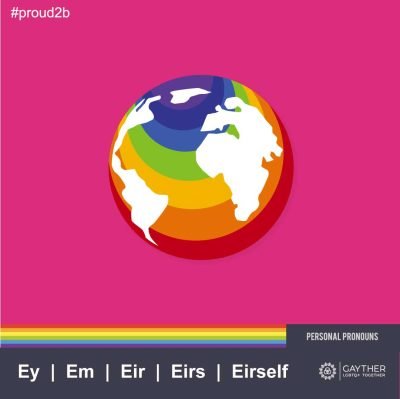
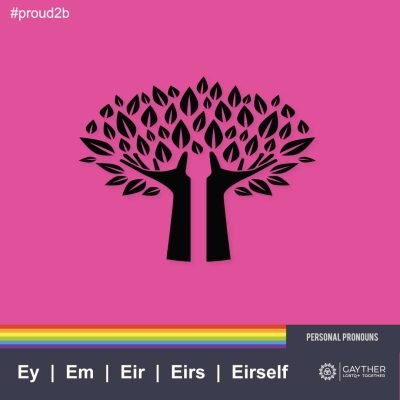
Ey Pronoun
The Ey pronoun, also known as the Elverson pronoun, is a modern English non-gender or gender-neutral pronoun used to refer to the third person. The Ey pronoun was created in 1975 by Christine Elverson, who won a contest that the Chicago Association of Business Communicators arranged. The competition was looking to establish a replacement for traditional gender pronouns for the transgender community. Elverson created the pronoun by removing th from they. The pronoun is typically used by individuals that are gender non-conforming, genderfluid or any of the various non-binary identities
PRONOUN IN ACTION
- Ey is happy
- It is all about Em
- Eir life
- That is Eirs
- Loves Eirself
DUTCH
die, hen/hun, hunne
FRENCH
ille, illes, leur
PORTUGUESE
elu, delu, nelu
Valuable resources
EY PRONOUN NAME BADGES & EMAIL FOOTERS
Download a wide selection of colourful pronoun badges and email footers, all designed to help you share and communicate your preferred pronouns. Once you click the link, a PDF will download displaying your chosen pronouns. You are free to print and use the templates for both personal and business use
Explore the world
Travelling is one of the most popular hobbies and interests around the world. Exploring new places, cultures, and experiences is both exciting and rewarding. For most people, knowing the best time to visit and basic travel details is enough; however, for the LGBTQIA+ community, further research is necessary. The Gayther Travel guides cover hundreds of countries and regions, providing essential travel information, useful terms in local languages, and important health advice, including details on how each country treats members of the LGBTQIA+ community. Discover Gayther guides today.
Per Pronoun
The Per pronoun, also known as the person pronoun, is a modern English non-gender or gender-neutral pronoun used to refer to the third person. The pronoun was created and first used in 1972 when John Clark used the pronoun in an issue of the Newsletter of the American Anthropological Association. The Per pronoun is typically used by individuals that are gender non-conforming, genderfluid or any of the various non-binary identities
PRONOUN IN ACTION
- Per is happy
- It is all about Per
- Pers life
- That is Pers
- Loves Perself
Valuable resources
PER PRONOUN NAME BADGES & EMAIL FOOTERS
Download a wide selection of colourful pronoun badges and email footers, all designed to help you share and communicate your preferred pronouns. Once you click the link, a PDF will download displaying your chosen pronouns. You are free to print and use the templates for both personal and business use
Resources designed to help you engage
With more than a thousand data points on weather stations around the world, hundreds of LGBTQIA+ country and state travel guides, and articles, fun activities, and games related to the community, there is something for everyone on Gayther. Support your friends, followers, or customers by including a badge or one of the many colourful QR codes in your newsletter, blog, vlog, or website to direct them to resources that connect directly to you, your business, or your service. Discover QR codes and gayther badges today.
Sie Pronoun
The Sie pronoun is a modern English non-gender or gender-neutral pronoun used to refer to the third person. The pronoun is derived from the German pronoun of sie, which means she or they. The Sie pronoun has been around since the 1990s, typically used by individuals who are gender non-conforming, genderfluid, or any of the various non-binary identities
PRONOUN IN ACTION
- Sie is happy
- It is all about Sie
- Hir life
- That is Hirs
- Loves Hirself
Valuable resources
SIE PRONOUN NAME BADGES & EMAIL FOOTERS
Download a wide selection of colourful pronoun badges and email footers, all designed to help you share and communicate your preferred pronouns. Once you click the link, a PDF will download displaying your chosen pronouns. You are free to print and use the templates for both personal and business use
Positive representation helps in
Acceptance and coming to terms with a part of what makes you can be challenging for many people. The Gayther pride in series is about celebrating all things relating to sexualities, gender identities and special groups. Showcasing the exceptional people, interesting facts and ways to connect with those unique communities, all designed to help and promote pride in LGBTQIA+ identities.
Tey Pronoun
The Tey pronoun is a modern English non-gender or gender-neutral pronoun used to refer to the third person. The pronoun is a variation of the singular they pronoun. The Tey pronoun is typically used by individuals that are gender non-conforming, genderfluid or any of the various non-binary identities
PRONOUN IN ACTION
- Tey is happy
- It is all about Ter
- Tem life
- That is Ters
- Loves Terself
Valuable resources
TEY PRONOUN NAME BADGES & EMAIL FOOTERS
Download a wide selection of colourful pronoun badges and email footers, all designed to help you share and communicate your preferred pronouns. Once you click the link, a PDF will download displaying your chosen pronouns. You are free to print and use the templates for both personal and business use
Exploring the Worldwide
Learn more about the LGBTQIA+ family index, which compares the rights of community members regarding adoption, surrogacy, and parental rights worldwide. With same-sex marriage and unions now being recognised in over 38 countries and nearly 40 countries offering adoption and parental rights for same-sex couples, the definition of the nuclear family has been changing from being just based on heterosexual relationships, with more LGBTQIA+ individuals opting to adopt or have children of their own, creating a loving and caring family.
Ve Pronoun
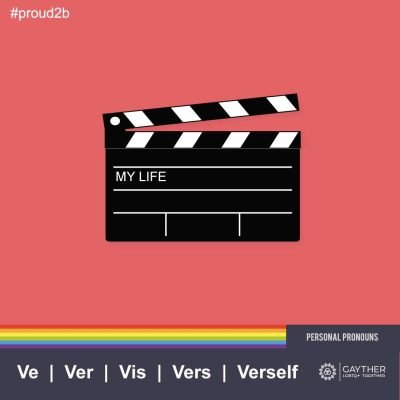
The Ve pronoun is a modern English non-gender or gender-neutral pronoun used to refer to the third person. The pronoun was created in 1970 when it appeared in the May issue of Everywoman. The Ve pronoun is typically used by individuals that are gender non-conforming, genderfluid or any of the various non-binary identities
PRONOUN IN ACTION
- Ve is happy
- It is all about Ver
- Vis life
- That is Vers
- Loves Verself
Valuable resources
VE PRONOUN NAME BADGES & EMAIL FOOTERS
Download a wide selection of colourful pronoun badges and email footers, all designed to help you share and communicate your preferred pronouns. Once you click on the link, a PDF document will download, displaying your chosen pronouns. You are free to print and use the templates for both personal and business use
Join in the fun
An event is taking place somewhere in the world at any given time. Whether a gathering for people with similar interests, a pride event attended by thousands, or a concert for a popular musical artist, events not only help us have fun and escape everyday life for a short time, but also help us connect with people, society and the wider community. With the LGBTQIA+ community existing in every country in the world, often as a minority group, whether at home or travelling abroad, attending community-tailored or inspired events, or events that just welcome everyone, can be an excellent opportunity to connect with the community and, at the same time, have some fun. The Worldwide events tools provide a variety of methods for quickly and efficiently searching for and narrowing down events that suit your interests. Discover the Worldwide Events tool today.
Zie Pronoun
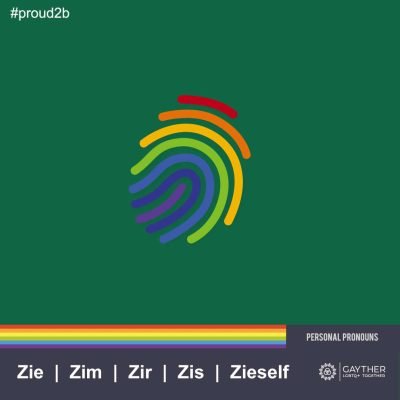
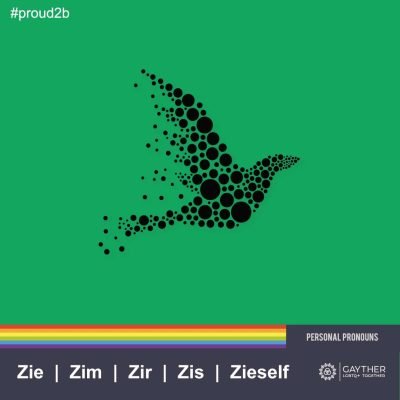
The Zie pronoun is a modern English non-gender or gender-neutral pronoun used to refer to the third person. The date on which the pronoun was first created is unknown; however, in 2000, Andrés Pérez-Bergquist wrote an article entitled ‘The value of Zie’ in which Andrés expanded the use of the zie pronoun set. The Zie pronoun is typically used by individuals that are gender non-conforming, genderfluid or any of the various non-binary identities
PRONOUN IN ACTION
- Zie is happy
- It is all about Zim
- Zir life
- That is Zis
- Loves Zieself
Valuable resources
ZIE PRONOUN NAME BADGES & EMAIL FOOTERS
Download a wide selection of colourful pronoun badges and email footers, all designed to help you share and communicate your preferred pronouns. Once you click the link, a PDF will download displaying your chosen pronouns. You are free to print and use the templates for both personal and business use
Understanding the world around us with
Discover the Gayther Indices, community-related trackers that are among the most comprehensive LGBTQIA+ resources worldwide, covering a wide range of themes from global equality to healthcare systems, to help inform and engage everyone. Whether you are looking for the perfect travel destination or aiming to better understand and support equal rights for community members across the globe, the Gayther Indices are your essential international resource.
When travelling, as a non-native speaker of a language or when you cannot speak, communicating how you think and feel to a medical practitioner can be challenging. The medical diagnosis interpreter, also known as the MDI, is a free click-and-point solution where you can use literal translations for up to 89 different languages
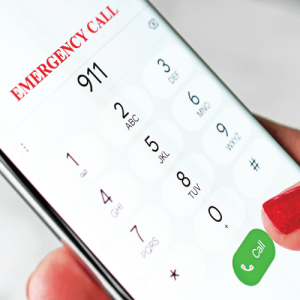
Knowing the local emergency telephone numbers is crucial, whether at home or abroad. The Gayther guide not only provides the various telephone numbers for the emergency services worldwide but also common phrases in the native language
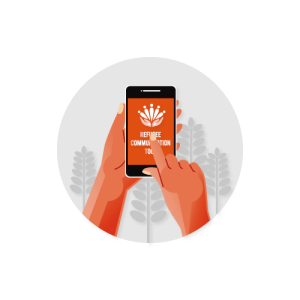
When escaping persecution or conflict, travelling through a country as a non-native speaker of a language or when you cannot speak is difficult. Quickly communicating your needs and any required assistance is challenging and often time-critical. The refugee communication tool is an essential tool designed to help anyone in a problematic situation share their circumstances with those in a position to help
Helping you get the support you need
When disaster hits, it is crucial to get the right information quickly. From the correct emergency telephone number wherever you are in the world to how we communicate with a medical professional during an emergency, Gayther offers a range of useful tools, such as the emergency telephone number tool and the medical diagnosis tool. Discover the Emergency Services tools today.
learn more about
pronouns
Personal pronouns have been around for centuries in many forms and languages. Pronouns are typically used when people address us directly or indirectly, and when we refer to others when communicating. Traditional pronouns focus on the gender or sex of an individual, such as he for men and she for women; however, gender-neutral pronouns have become more widely used by individuals who typically identify as transgender, gender-fluid, gender-nonconforming, or non-binary.
To understand the importance of pronouns, imagine waking up one morning and looking at yourself in the mirror. When you look at yourself, you cannot identify your reflection in the mirror. The person looking back at you is the opposite sex to what you have always known yourself to be or your assigned gender at birth. You try to conform and accept this new identity; however, when you go for a coffee, the barista calls you “ma’am” or “sir,” instantly reminding you of how everyone else sees you. It would likely upset most people; however, this is the reality for many individuals who do not conform to conventional or traditional gender identities.
Some may view gender pronouns as old-fashioned and antiquated. They are generally used to distinguish between genders, so if we live in an equal society, should there be a difference between his and hers? Others will likely prefer traditional gender pronouns, whereas some may feel that those pronouns do not represent them. Ultimately, it is around choice, about how you like to be addressed or referred to, and the responsibility of us all to respect a person’s choice and, when communicating with them, to use their preferred personal pronouns.
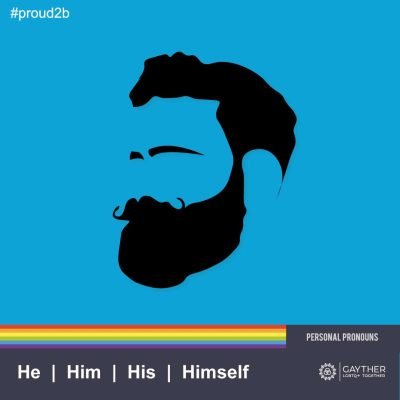
Introduce the world to your true self (#proud2blgbtq) by selecting one of the many free available images relating to your chosen personal pronoun. You can share any of the images via Facebook, Twitter, Pinterest or via Gayther Affinity
To understand the importance of pronouns, imagine waking up one morning and looking at yourself in the mirror. When you look at yourself, you cannot identify your reflection in the mirror. The person looking back at you is the opposite sex to what you have always known yourself to be or your assigned gender at birth. You try to conform and accept this new identity; however, when you go for a coffee, the barista calls you “ma’am” or “sir,” instantly reminding you of how everyone else sees you. It would likely upset most people; however, this is the reality for many individuals who do not conform to conventional or traditional gender identities.
Some may view gender pronouns as old-fashioned and antiquated. They are generally used to distinguish between genders, so if we live in an equal society, should there be a difference between his and hers? Others will likely prefer traditional gender pronouns, whereas some may feel that those pronouns do not represent them. Ultimately, it is around choice, about how you like to be addressed or referred to, and the responsibility of us all to respect a person’s choice and, when communicating with them, to use their preferred personal pronouns.
Introduce the world to your true self (#proud2blgbtq) by selecting one of the many free available images relating to your chosen personal pronoun. You can share any of the images via Facebook, Twitter, Pinterest or via Gayther Affinity
Gayther
your community resources
A community platform that features a variety of tools, services, guides, and much more. Free tools and services tailored toward the global LGBTQIA+ community
The big directory comprises fourteen groups and over one thousand categories, from travel accommodation to home maintenance
There are thousands of events taking place, it is not always easy to know what is going on and when, Gayther can help
The Care Providers and Services directory lists businesses and services that are inclusive and welcoming to all
There are millions of non-profit organisations, advice services, and support groups worldwide, all designed to help you
The RM Directory is designed to showcase organisations and services experienced in assisting those seeking refuge or relocating. Whether a refugee who is forced to leave home due to war or a migrant seeking out better living conditions, the RM Directory can help
Enhanced your experience
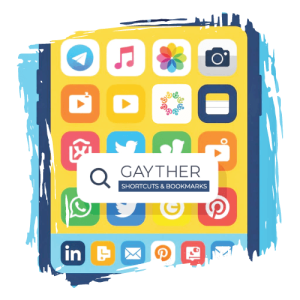
Gayther is designed to work perfectly on any device, whether on phones, tablets, or desktops. Enhance your experience and navigation by adding a Gayther shortcut to your home screen or bookmarking your favourite pages, so everything you need is just one tap away. See how simple it is to set up and eliminate the hassle of finding what you’re looking for, wherever you are.
When we explore, we learn; the more we know, the greater our
understanding of the world
Gayther is a positive platform for everyone. One that empowers people to understand more about the LGBTQIA+ community by dispelling misinformation, to showcase all aspects of the exceptional and diverse global community and all that it contributes to the world
Planning a trip? Gayther provides extensive country guides for every country across the globe
Find the information you need quickly with the wide range of guides available on Gayther
Be inspired and have some fun, with a wide range of articles, personality tests, quizzes and crosswords on offer
Discover more about sexuality, from the various identities to inspiring content and information
Discover more about the unique and diverse gender identities within the LGBTQIA+ community
Discover more about the special groups and the people and organisations supporting and helping the LGBTQIA+ community
Not sure what you are looking for? There are many ways to find what you need quickly; the search section provides links to the many search services
Impress your friends with key facts and keep updated on the latest developments and trends within the community
Discover Gayther Trinary, three unique services focused on the different aspects and requirements of the LGBTQIA+ community
IMPORTANT DISCLAIMER: The information displayed on this page is for illustrative purposes only and does not constitute advice. It is essential that, before travelling, you independently gather information specific to your requirements and circumstances. Though we endeavour to keep all information across the site up to date, we do not guarantee the accuracy or completeness of any information displayed. The languages and terms featured on this page are literal translations and have not been validated or verified. The service is provided free of charge, and by using it, you accept that you are doing so at your own risk. This page may contain external links to third-party websites; Gayther provides these links for your convenience and does not endorse, warrant or recommend any particular products or services. By clicking on any external links, you will leave Gayther and be taken to the third-party website, which you do so at your own risk and by accessing the site, you will be required to comply with the external third party’s terms and conditions of use and privacy policies