







Gayther
About the LGBTQIA+ Community
All about the diverse and exceptional global community
The term LGBTQIA+ is an abbreviation of the first letter for each group represented: Lesbian, Gay, Bisexual, Transgender, Queer, Asexual, and Ally. The plus symbol is used to represent all of the smaller sexual and gender identity groups. The LGBTQIA+ community is the only representative group in the world that is diverse and includes every ethnicity, faith, and all genders. One that is inclusive for those unable to identify as binary or able to label their sexuality.
A community focused on improving the rights and protection within the law for people on both the sexuality scale and/or gender spectrum, with exceptional and brave advocates and pioneers fighting for centuries for equality.
Though equality has been improving around the world, there is still a long way to go. With 67 countries still criminalising same-sex relationships, 169 still not allowing same-sex marriages and worse, 10 countries still imposing the death penalty for same-sex prosecutions, the fight goes on.
LGBTQIA+ stands for inclusivity, including everyone and excluding no one. To educate, not indoctrinate, and ensure that everyone, everywhere globally, is treated the same, with equal rights and protection under the law, without persecution due to a person’s gender or sexual identity.
A community focused on improving the rights and protection within the law for people on both the sexuality scale and/or gender spectrum, with exceptional and brave advocates and pioneers fighting for centuries for equality.
Though equality has been improving around the world, there is still a long way to go. With 67 countries still criminalising same-sex relationships, 169 still not allowing same-sex marriages and worse, 10 countries still imposing the death penalty for same-sex prosecutions, the fight goes on.
LGBTQIA+ stands for inclusivity, including everyone and excluding no one. To educate, not indoctrinate, and ensure that everyone, everywhere globally, is treated the same, with equal rights and protection under the law, without persecution due to a person’s gender or sexual identity.
KEY FACT
41.7 million or 19.2%
of the worldwide LGBTQIA+ community live in countries that are classified as high or very high within the equality index
SOURCE: GAYTHER EQUALITY INDEX
COMMUNITY RELATED
LGBTQIA+ Families
36.47%
62 countries legally recognise same-sex joint or second-parent adoptions
Gay Conversion Therapy
6%
or 14 countries have laws with full bans relating to Gay Conversion Therapy
CONTENTS
BRIEF HISTORY
MOVEMENT FOR EQUALITY
SIZE OF THE COMMUNITY
CONTRIBUTION TO THE GLOBAL COMMUNITY
RECLAIMING WORDS
FREQUENTLY ASKED QUESTIONS
MORE
SHARE
important things to
about the index

The LGBTQIA+ community has existed in many forms for thousands of years. One of the earliest known records of a same-sex relationship was in Ancient Egypt in 2400 BC, where archaeologists discovered the tomb of two high-ranking officials buried together, who are believed to have been in a same-sex relationship. Attitudes have changed throughout the centuries, and for many years and in many parts of the world, homosexuality and transsexuality were generally accepted and commonplace amongst certain cultures and societies. From Ancient Greece to Ancient Rome, there is evidence of transgender priests and practices such as pederasty and cinaedus. Though many of these practices are shocking by today’s standards, they were still part of everyday society in their time. It was not until thousands of years later and the rise of modern-day religions that the community and people became targeted and persecuted, which is still taking place in some countries worldwide.
In the 11th century, attitudes began to change. In the 12th century AD, the Italian Inquisition, under instruction from the pope, began to target same-sex relationships as sinful and immoral. Those prosecuted would be banished, with parts amputated for first offences and death for repeat offenders. The 15th century saw the beginning of the Spanish Inquisition, a horrific period of history in which any individuals convicted of being involved in same-sex relationships were castrated and banished from society. It was not just Western religions; there are many examples of castrations, death by stoning and other gruesome deaths throughout the histories of all known religions, from Islam to Judaism, all teaching that the act is a sin, as immoral and prescribing extreme measures to stop it. The community’s persecution was deeply rooted in many religions for centuries; however, most have evolved to be more tolerant and inclusive of the community in more modern times.
The LGBTQIA+ community never went away or was stamped out, no matter how hard governments, religions and countries tried. Even with the constant fear of persecution and personal threat to their lives, the community just became better at hiding and concealing who they were. They were so good at it that many have held important positions and lived in plain sight. We only know that the community survived because of the records of those unfortunate who were discovered and persecuted. Not all countries or cultures treated or persecuted the community in the same way, ranging from generally leaving them alone as long as they were discreet to targeting and prosecuting them if found guilty; however, the level of treatment stemmed from the beliefs and views held by the people and wider communities. Though some may not have been directly targeted or left alone, they still had no legal rights or protection compared to their heterosexual counterparts.
It was not until the late 18th century that the LGBTQIA+ movement began to gain momentum, with prominent figures advocating for equality, and it continues today. The fight to gain and hold on to equality is fragile; take the example of what happened over 76 years ago. During the Second World War, gay and lesbian individuals were rounded up with people who followed Judaism. The Nazis categorised people, such as Jewish individuals, who were identified by the yellow patch on their prison uniforms. Black triangles were used to identify those regarded as asocial (anti-social), including lesbians and pink triangles were used to identify gay, bisexual men and transgender women. The exact numbers of those persecuted are unknown; however, it is believed that over 100 thousand LGBTQIA+ men and women lost their lives through being used as target practice for soldiers, medical experimentation, starvation and execution. Even today, many of the LGBTQIA+ community are targeted and persecuted in some parts of the world, the brutality masked by antiquated morality laws, poorly educated societies and the majorities within many countries around the world, fearful that giving the community equal treatment diminishes their rights and protection.
From emperors to actors, the LGBTQIA+ community has a long and rich history. Often, a tale of people facing adversity, just for accepting who they are, even when the risk to their personal safety is so high. Many within the community face a challenge every day, in every country, region and continent around the world.
In the 11th century, attitudes began to change. In the 12th century AD, the Italian Inquisition, under instruction from the pope, began to target same-sex relationships as sinful and immoral. Those prosecuted would be banished, with parts amputated for first offences and death for repeat offenders. The 15th century saw the beginning of the Spanish Inquisition, a horrific period of history in which any individuals convicted of being involved in same-sex relationships were castrated and banished from society. It was not just Western religions; there are many examples of castrations, death by stoning and other gruesome deaths throughout the histories of all known religions, from Islam to Judaism, all teaching that the act is a sin, as immoral and prescribing extreme measures to stop it. The community’s persecution was deeply rooted in many religions for centuries; however, most have evolved to be more tolerant and inclusive of the community in more modern times.
The LGBTQIA+ community never went away or was stamped out, no matter how hard governments, religions and countries tried. Even with the constant fear of persecution and personal threat to their lives, the community just became better at hiding and concealing who they were. They were so good at it that many have held important positions and lived in plain sight. We only know that the community survived because of the records of those unfortunate who were discovered and persecuted. Not all countries or cultures treated or persecuted the community in the same way, ranging from generally leaving them alone as long as they were discreet to targeting and prosecuting them if found guilty; however, the level of treatment stemmed from the beliefs and views held by the people and wider communities. Though some may not have been directly targeted or left alone, they still had no legal rights or protection compared to their heterosexual counterparts.
It was not until the late 18th century that the LGBTQIA+ movement began to gain momentum, with prominent figures advocating for equality, and it continues today. The fight to gain and hold on to equality is fragile; take the example of what happened over 76 years ago. During the Second World War, gay and lesbian individuals were rounded up with people who followed Judaism. The Nazis categorised people, such as Jewish individuals, who were identified by the yellow patch on their prison uniforms. Black triangles were used to identify those regarded as asocial (anti-social), including lesbians and pink triangles were used to identify gay, bisexual men and transgender women. The exact numbers of those persecuted are unknown; however, it is believed that over 100 thousand LGBTQIA+ men and women lost their lives through being used as target practice for soldiers, medical experimentation, starvation and execution. Even today, many of the LGBTQIA+ community are targeted and persecuted in some parts of the world, the brutality masked by antiquated morality laws, poorly educated societies and the majorities within many countries around the world, fearful that giving the community equal treatment diminishes their rights and protection.
From emperors to actors, the LGBTQIA+ community has a long and rich history. Often, a tale of people facing adversity, just for accepting who they are, even when the risk to their personal safety is so high. Many within the community face a challenge every day, in every country, region and continent around the world.

Positive representation helps in
Acceptance and coming to terms with a part of what makes you can be challenging for many people. The Gayther pride in series is about celebrating all things relating to sexualities, gender identities and special groups. Showcasing the exceptional people, interesting facts and ways to connect with those unique communities, all designed to help and promote pride in LGBTQIA+ identities.

the global community is far from receiving the same
rights and legal protection

The LGBTQIA+ community faced hundreds of years of persecution, targeted campaigns and gruesome convictions when prosecuted. It was not until the late 18th century that the philosopher, jurist and social reformer Jeremy Bentham argued for decriminalising same-sex relationships, which did not happen until 1967, 182 years after Mr Bentham’s campaign. Following the French Revolution, France became the first Western country to decriminalise same-sex relationships in 1791. The French nobleman, lawyer and statesman, Jean Jacques Régis de Cambacérès was a key player in decriminalising homosexuality as he was one of the authors of the Napoleonic Code, which even today, underpins the French civil law and the laws in many other countries. After France decriminalised same-sex relationships, other neighbouring countries began to change their laws.
Throughout the centuries, most countries have removed their antiquated laws; however, in 2025, there are still 28.7% or 62.3 million individuals living in countries that still criminalise homosexuality. Even though Poland and Vietnam never outlawed same-sex relationships throughout their histories, it does not mean that the people living in those countries were accepted or even that they had it easy. Often in the past, laws were put in place only for matters where treatment and prosecution varied by region. Most countries did not actively enforce the laws; instead, it was left to smaller communities to manage and enforce mob rule regarding moral and ethical behaviour at that time.
It was not until the 1960s, just over 60 years ago, that rights and protections for the LGBTQIA+ community began to improve. The Stonewall riots in 1969 started due to a police raid on a gay bar (the Stonewall Inn), but quickly escalated to become a catalyst for a global movement. The LGBTQIA+ community living in New York was tired of the constant harassment and abuse they received from the city’s police department. When they raided the bar, it became the final straw for the community. The riots lasted only five days; however, they attracted international media attention. The protests inspired other LGBTQIA+ individuals to take a stand in solidarity and ensure that their voices, too, were heard. The Stonewall riots did not start the gay movement, but instead kick-started a change that continues to this day.
Equality for the community has significantly improved around the world, and in 2025:
Throughout the centuries, most countries have removed their antiquated laws; however, in 2025, there are still 28.7% or 62.3 million individuals living in countries that still criminalise homosexuality. Even though Poland and Vietnam never outlawed same-sex relationships throughout their histories, it does not mean that the people living in those countries were accepted or even that they had it easy. Often in the past, laws were put in place only for matters where treatment and prosecution varied by region. Most countries did not actively enforce the laws; instead, it was left to smaller communities to manage and enforce mob rule regarding moral and ethical behaviour at that time.
It was not until the 1960s, just over 60 years ago, that rights and protections for the LGBTQIA+ community began to improve. The Stonewall riots in 1969 started due to a police raid on a gay bar (the Stonewall Inn), but quickly escalated to become a catalyst for a global movement. The LGBTQIA+ community living in New York was tired of the constant harassment and abuse they received from the city’s police department. When they raided the bar, it became the final straw for the community. The riots lasted only five days; however, they attracted international media attention. The protests inspired other LGBTQIA+ individuals to take a stand in solidarity and ensure that their voices, too, were heard. The Stonewall riots did not start the gay movement, but instead kick-started a change that continues to this day.
Equality for the community has significantly improved around the world, and in 2025:
- 78 (or 33.5%) of all countries are classified as high or very high
- 95 (or 40.8%) of all countries are classified as medium-high or medium-low
- 60 (or 25.8%) of all countries are classified as low or very low
OTHER SECTIONS | QUICK LINKS
Understanding the world around us with
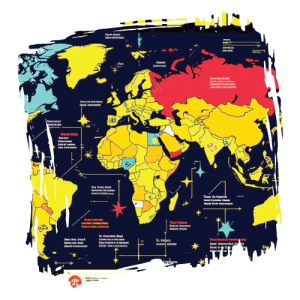
Discover the Gayther Indices, community-related trackers that are among the most comprehensive LGBTQIA+ resources worldwide, covering a wide range of themes from global equality to healthcare systems, to help inform and engage everyone. Whether you are looking for the perfect travel destination or aiming to better understand and support equal rights for community members across the globe, the Gayther Indices are your essential international resource.


important things to
about the index

Nearly all countries around the world keep records relating to births, deaths and marriages. Many countries go further by conducting surveys and censuses to better understand the size, behaviours, and changes in the broader population. Censuses are typically carried out every five years; however, gender identity and sexual identifiers are not part of the question set, which means that there are no official statistics or numbers relating to the size or scale of the LGBTQIA+ community worldwide. Even if questions were included, there would likely be reluctance, especially among older generations, to share personal and intimate information with the government.
With no statistics on size or scale, independent bodies and research units have carried out studies using sample sizes or small sections of society, from which they have drawn conclusions. Though only estimates, the LGBTQIA+ community is stated in ranges, from as low as 1% of any given country’s population to as high as 20%. Though some countries may wish to deny it, the reality is that we know that statistically, there are LGBTQIA+ individuals in every country around the world, including those that are hostile towards the community
Based on conservative estimates, Gayther built the LGBTQIA+ Worldwide Population and Dollar indexes based on:
With no statistics on size or scale, independent bodies and research units have carried out studies using sample sizes or small sections of society, from which they have drawn conclusions. Though only estimates, the LGBTQIA+ community is stated in ranges, from as low as 1% of any given country’s population to as high as 20%. Though some countries may wish to deny it, the reality is that we know that statistically, there are LGBTQIA+ individuals in every country around the world, including those that are hostile towards the community
Based on conservative estimates, Gayther built the LGBTQIA+ Worldwide Population and Dollar indexes based on:
- Lesbian & Gay – 1.3444%
- Bisexual – 1.2889%
- Transgender – 0.0060%
- Total – 2.6393%

Extraordinary people
Over the past 50 years, the LGBTQIA+ global community has seen many positive developments, with rights and protections for its members greatly enhanced. These changes are a direct result of the extraordinary individuals who have stood up, often at considerable personal risk, to advocate for and defend community rights. Discover more about some of these remarkable individuals today.


the global community annually contributes
trillions of dollars

With over an estimated 217.3 million LGBTQIA+ individuals living worldwide, many work and contribute to the countries and societies they live in. Based on estimates, the global LGBTQIA+ community contributes over 1.59 trillion US dollars each year to the global economy. The contribution is significant, and compared to 2023, the LGBTQIA+ contribution against the economies of countries was equivalent to:
- 6.2% of the United States of America’s economy, which was 25.7 trillion
- 51.6% of the United Kingdom’s economy, which was 3.1 trillion
- 39.1% of Germany’s economy, which was 4.1 trillion
- 8.9% of China’s economy, which was 18 trillion
- 75% of Canada’s economy, which was 2.1 trillion
Find inclusive businesses and services
The Gayther platform features seven inclusive and interactive directories, from detailed weather updates to listing services that showcase the inclusivity of businesses, services, and events for the global LGBTQIA+ community. Learn more about each directory and how they can help you find what you need. Discover more about Gayther today.


turning negativity into
positivity

Over the years, specific words and phrases were used against the LGBTQIA+ community, often as insults and to demean people. Words such as queer, homo, limp-wristed, dyke, faggot, flammer and countless others have all been reclaimed by the community. LGBTQIA+ individuals, friends and allies are all helping to redefine their meaning. Instead of being used negatively, they are being transformed into positive words and phrases. It is common to hear some in the community use one or more reclaimed words to describe themselves, turning negativity into positivity.

Respect and identity
For many individuals who are transitioning or identify as gender-fluid, pronouns and the way they are addressed become important. Find out more about some of the most commonly used personal pronouns, along with a variety of email templates, images, and name badges designed to support individual pronouns positively.
frequently asked questions and the
answers
WHAT ARE GENDER OR SEXUAL IDENTIFIERS?
For years, people have referred to sexual identifiers as sexual orientation, preference or choice, and, in terms of gender, forcing individuals to accept their assigned gender at birth, regardless of how that individual feels. However, each of those terms indicates that the individual is making a choice about who they are, who they love, or whom they are physically attracted to. The reality is that nearly all are born the way they are, and the only choice they have is whether to accept and come to terms with who they are or not to accept and live within society, conforming to norms and pretending to be something that is not their true self.
The terms “gender” and “sexual identifier” are more about how a person identifies themselves; these identifiers are only part of who they are, not the only defining factor.
The terms “gender” and “sexual identifier” are more about how a person identifies themselves; these identifiers are only part of who they are, not the only defining factor.
WHAT ARE PERSONAL PRONOUNS?
Gender and personal pronouns have existed for centuries in many languages and relate to how we prefer to be addressed or referred to when people communicate with us. Personal pronouns are especially important for individuals who identify as transgender, gender fluid, or gender non-conforming/non-binary. To understand the importance, imagine waking up one morning and looking at yourself in the bathroom mirror. The person looking back at you is the opposite sex to what you have always known yourself to be or the assigned gender at birth, a man who is looking at a female in the mirror or vice versa. Though you know your true gender or self, everyone you speak to, know or meet will view you differently from how you know yourself. You are desperately trying to conform to and accept this identity; however, when you go for a coffee, a barista refers to you as “ma’am” or “sir,” reminding you of how the world sees you. It would likely upset most people; however, it is the reality for many individuals.
Not only are gender pronouns old-fashioned and antiquated, but they are also used to create a distinction between genders, so if we live in an equal society, should there be a distinction between his and hers? The reality is that some individuals like the use of traditional gender pronouns, whereas others feel that those pronouns do not represent them. Ultimately, it is around choice, the choice around how you like to be addressed or referred to and the responsibility of society to respect your wishes to use your preferred personal pronouns.
Not only are gender pronouns old-fashioned and antiquated, but they are also used to create a distinction between genders, so if we live in an equal society, should there be a distinction between his and hers? The reality is that some individuals like the use of traditional gender pronouns, whereas others feel that those pronouns do not represent them. Ultimately, it is around choice, the choice around how you like to be addressed or referred to and the responsibility of society to respect your wishes to use your preferred personal pronouns.
WHY ARE IDENTIFIERS AND PRONOUNS IMPORTANT?
When you live in a free and equal society, your sexual identity or the personal pronouns you use to identify yourself should not matter. The reality is that even right now, there are still a quarter of all countries in the world that have laws in place in which same-sex activity is considered illegal, and individuals can even face the death penalty should they be prosecuted. Though some countries have not prosecuted anyone for twenty-plus years, the fact that they still exist is an issue.
The LGBTQIA+ community has been around for thousands of years, and it is the only group that represents every country, race, and religion and speaks every language across the globe. The community is made up of a diverse group of individuals united by the desire to be their true selves and to avoid persecution for being something that they cannot change. Though the community has been around for a long time, many have had no choice but to suppress and hide their true self for fear of rejection or persecution.
Countless brave individuals have advocated and fought for rights and the laws in many countries to be changed for the better of the LGBTQIA+ community, where many within the LGBTQIA+ community now have legal rights equal to those enjoyed by heterosexual individuals.
Ultimately, we are all the same; we have the exact desires and wishes. Our sexual identities are a part of who we are, and not the only defining factor that makes us who we are. No one should live in fear of being their true self.
The LGBTQIA+ community has been around for thousands of years, and it is the only group that represents every country, race, and religion and speaks every language across the globe. The community is made up of a diverse group of individuals united by the desire to be their true selves and to avoid persecution for being something that they cannot change. Though the community has been around for a long time, many have had no choice but to suppress and hide their true self for fear of rejection or persecution.
Countless brave individuals have advocated and fought for rights and the laws in many countries to be changed for the better of the LGBTQIA+ community, where many within the LGBTQIA+ community now have legal rights equal to those enjoyed by heterosexual individuals.
Ultimately, we are all the same; we have the exact desires and wishes. Our sexual identities are a part of who we are, and not the only defining factor that makes us who we are. No one should live in fear of being their true self.
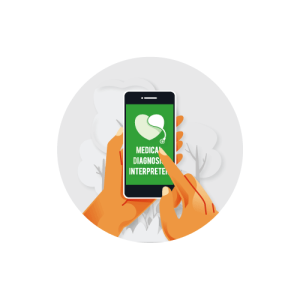
When travelling, as a non-native speaker of a language or when you cannot speak, communicating how you think and feel to a medical practitioner can be challenging. The medical diagnosis interpreter, also known as the MDI, is a free click-and-point solution where you can use literal translations for up to 89 different languages
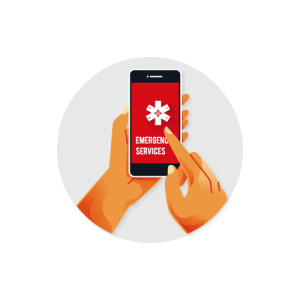
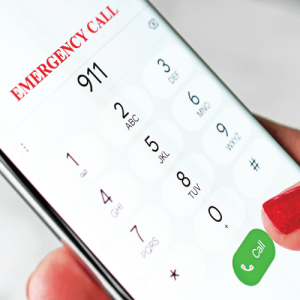
Knowing the local emergency telephone numbers is crucial, whether at home or abroad. The Gayther guide not only provides the various telephone numbers for the emergency services worldwide but also common phrases in the native language
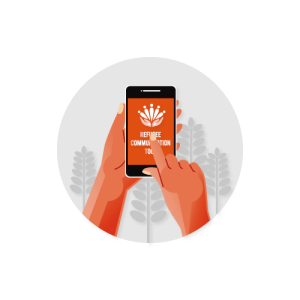
When escaping persecution or conflict, travelling through a country as a non-native speaker of a language or when you cannot speak is difficult. Quickly communicating your needs and any required assistance is challenging and often time-critical. The refugee communication tool is an essential tool designed to help anyone in a problematic situation share their circumstances with those in a position to help
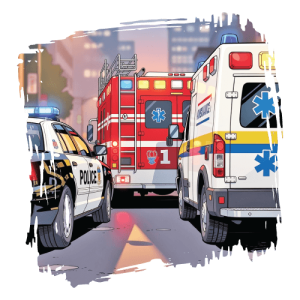
Helping you get the support you need
When disaster hits, it is crucial to get the right information quickly. From the correct emergency telephone number wherever you are in the world to how we communicate with a medical professional during an emergency, Gayther offers a range of useful tools, such as the emergency telephone number tool and the medical diagnosis tool. Discover the Emergency Services tools today.
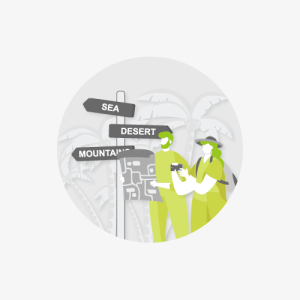
Quickly find all the information you need when planning a trip. Home to over 600 detailed country and regional guides, including a wide range of general information as well as dedicated LGBTQIA+ specific details
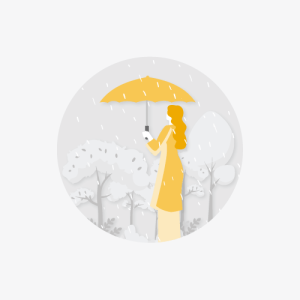
Search over 900 unique weather locations using the fun and interactive weather tool. Discover the best time to travel to a specific area, when is it the hottest, when is the least chance of rain or when it might snow
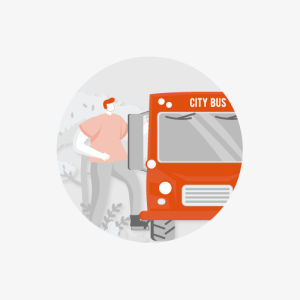
Planning a trip takes time and effort. Deciding where to go and how to get there can be a challenge. The interactive travel tool is home to thousands of airports, trains, buses and ports worldwide
Explore the world
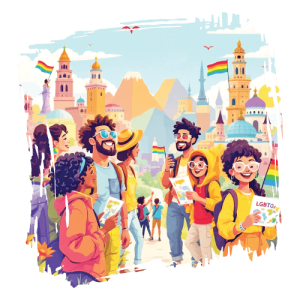
Travelling is one of the most popular hobbies and interests around the world. Exploring new places, cultures, and experiences is both exciting and rewarding. For most people, knowing the best time to visit and basic travel details is enough; however, for the LGBTQIA+ community, further research is necessary. The Gayther Travel guides cover hundreds of countries and regions, providing essential travel information, useful terms in local languages, and important health advice, including details on how each country treats members of the LGBTQIA+ community. Discover Gayther guides today.

Connect with the community
Gayther Affinity is a private platform for the global LGBTQIA+ community. A space that gives you the freedom to be yourself. Helping you communicate with and connect to people similar to yourself. People from around the world from all age groups and backgrounds. Signup for your free Affinity account today
Gayther
your community resources
A community platform that features a variety of tools, services, guides, and much more. Free tools and services tailored toward the global LGBTQIA+ community

The big directory comprises fourteen groups and over one thousand categories, from travel accommodation to home maintenance

There are thousands of events taking place, it is not always easy to know what is going on and when, Gayther can help

The Care Providers and Services directory lists businesses and services that are inclusive and welcoming to all
There are millions of non-profit organisations, advice services, and support groups worldwide, all designed to help you

The RM Directory is designed to showcase organisations and services experienced in assisting those seeking refuge or relocating. Whether a refugee who is forced to leave home due to war or a migrant seeking out better living conditions, the RM Directory can help
Resources designed to help you engage
With more than a thousand data points on weather stations around the world, hundreds of LGBTQIA+ country and state travel guides, and articles, fun activities, and games related to the community, there is something for everyone on Gayther. Support your friends, followers, or customers by including a badge or one of the many colourful QR codes in your newsletter, blog, vlog, or website to direct them to resources that connect directly to you, your business, or your service. Discover QR codes and gayther badges today.
When we explore, we learn; the more we know, the greater our
understanding of the world
Gayther is a positive platform for everyone. One that empowers people to understand more about the LGBTQIA+ community by dispelling misinformation, to showcase all aspects of the exceptional and diverse global community and all that it contributes to the world



IMPORTANT DISCLAIMER: The information displayed on this page is for illustrative purposes only and does not constitute advice. It is essential that, before travelling, you independently gather information specific to your requirements and circumstances. Though we endeavour to keep all information across the site up to date, we do not guarantee the accuracy or completeness of any information displayed. The languages and terms featured on this page are literal translations and have not been validated or verified. The service is provided free of charge, and by using it, you accept that you are doing so at your own risk. This page may contain external links to third-party websites; Gayther provides these links for your convenience and does not endorse, warrant or recommend any particular products or services. By clicking on any external links, you will leave Gayther and be taken to the third-party website, which you do so at your own risk and by accessing the site, you will be required to comply with the external third party’s terms and conditions of use and privacy policies