









Gay Apps: Are mandatory member verifications a good idea?

Over the past ten years, globally, there has been a consistent trend and rise in fake news and online bullying. With an increase in online abuse, especially amongst minors, hate crimes and concern for the safety of their users, service providers are looking for potential solutions. Many app developers have begun proposing solutions and possible ways to help combat and reduce these alarming trends. Over the past year, several well-known LGBTQIA+ smartphone app providers went public that they were considering mandatory member verifications. A move that would mean users would be required to prove their identity in order to use these smartphone apps. Whether by providing additional contact information, such as a home address or carrying out a transaction via their bank or credit card. In some extreme situations, service providers are even considering a process where users must upload some form of identification. Though all of the measures are designed to combat deception and serious crimes, is there a risk of alienating vulnerable community members?
One Community: Are the LGBTQIA+ community stronger together?

A common cause and adversity will often bring very different people together. In 2020, the global LGBTQIA+ community is one of the most diverse minority groups globally, with representation from all countries, ethnicities, genders and faiths. The community is comprised of many smaller communities, from the well-known and established groups like the lesbian, gay, bisexual and transgender communities to many smaller lesser-known groups. Representation is important, and today, fortunately, more people now have the freedom to discover and accept their identities. Many quickly realise that they do not entirely identify with non-traditional identities, resulting in the risk of splintering representation groups. Not all voices will be heard with such a large group of diverse people. A reality that often results in problems where the wants and needs of members will differ among the very different groups and factions. However, today, 25% of the world’s LGBTQIA+ community still live in countries where their sexuality is deemed illegal. Where gender expression is not permitted and the unity of the community is so crucial for the global fight for equality, is there a risk of representative groups and associations separating?
Are distractions creating inequality in the world?

Impeachments, Brexit, North Korea, economic inequality, and mass unemployment are themes that seem to dominate the headlines. Today, it is difficult to read the news without feeling a sense of apprehension and fear for the state of the world. With so much going on, many things in your country and local community are often being ignored or going unnoticed. Are the crazy times we live in distracting people from discovering what is happening around them?
Top tips for coming out as gay to friends and family
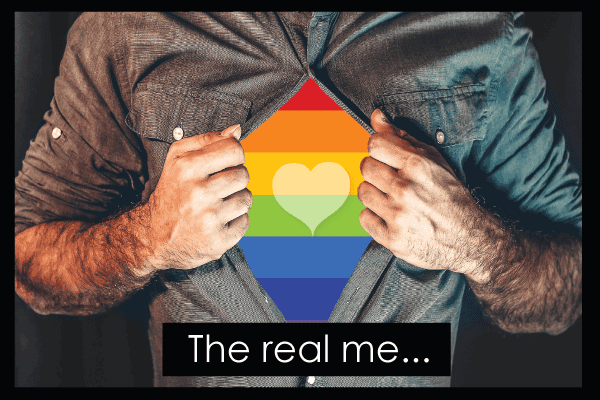
There are many accounts of positive and emotional coming-out stories. Images of families rejoicing at the news of their child revealing their true identity. A positive coming-out experience happens for many; however, it is still one of the scariest experiences of their lives. The fear of hurting the ones we love the most by sharing something very personal to us and the constant risk that people might change how they treat and see us. Though it is scary, many of us know that living as our true selves and being honest with those that matter to us is important. So, with some planning, you can make the whole process feel a lot less daunting. So let our top tips help you plan for when you come out to friends and family
The independent gay republic of Aparadiso

With over a quarter of the world’s LGBTQIA+ population living in countries where same-sex relationships are deemed illegal under the law, should there be a country that would act as a safe haven? A place that is welcoming and inclusive for members of the global community escaping persecution and an internationally recognised nation for all non-traditional sexual and gender identities
In the modern age, is outing gay people right or wrong?
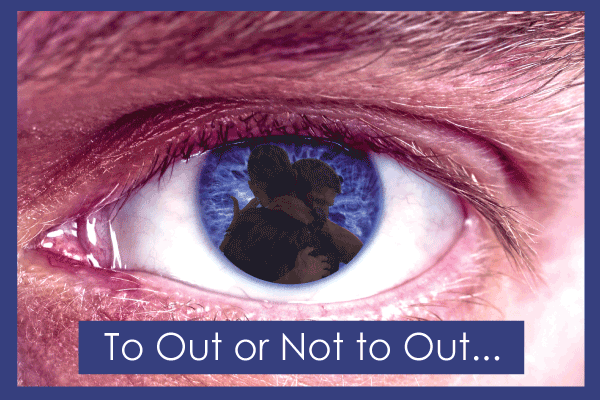
You leave the busy nightclub to get some fresh air. Once outside, you look up and immediately see a well-known male celebrity in an alleyway kissing another man. You instantly recognise them as a well-respected person and public figure who publicly presents themselves as heterosexual. You know that if he were to come out, it would be an inspiration for many young gay men and you are confused as to why he is hiding this from the world. Should you out this gay man? What do you do?