












Companion Code: When AI Becomes Queer Confidant, Freedom or Concealment?
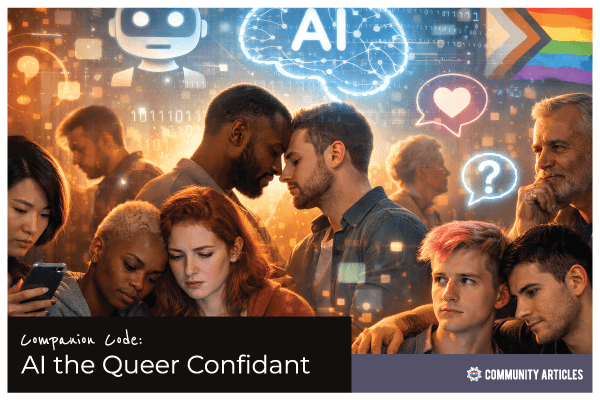
In an age of digital connection, loneliness seems to be becoming increasingly common. Many people now find themselves surrounded by online communities and networks, yet lacking consistent emotional support in their everyday lives. Artificial intelligence, long seen primarily as a productivity tool, is becoming a confidant and conversational presence, offering companionship and emotional reflection. From casual interactions to deeply personal disclosures, AI is there in moments of isolation. While AI can offer immediate relief and a sense of being heard, it may also subtly reshape emotional habits and expectations around connection. As AI becomes more human-like in conversation while remaining fundamentally non-human in experience, these systems may be slowly redefining what people expect from relationships and from themselves.
Myths, Molecules, Meaning: The Science of Sexual Orientation
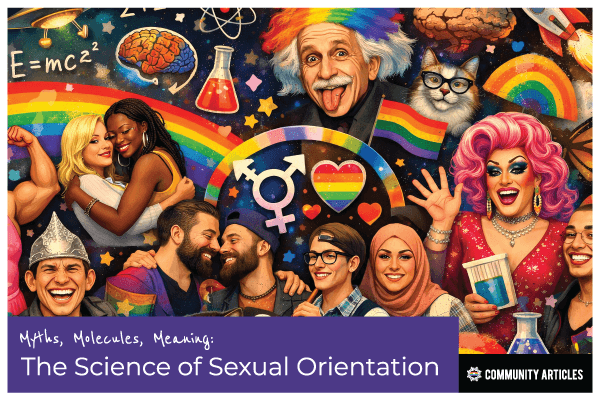
Scientific research in genetics, neuroscience, psychology, and anthropology has significantly transformed our understanding of LGBTQIA+ identities. Research has established that there is no single “gay” or “transgender” gene; instead, evidence points to a complex mix of biological, developmental, and environmental influences, showing that these variations are natural parts of human diversity. Variations in LGBTQIA+ identities have been observed across cultures and throughout the animal kingdom, suggesting they have long existed and are a normal aspect of life. Explore the history, science, and evolving research behind sexuality and gender identity, and how understanding in this field has changed more in the last century than in the thousands of years that preceded it.
LGBTQIA+ Travel Guides: Destination Toronto
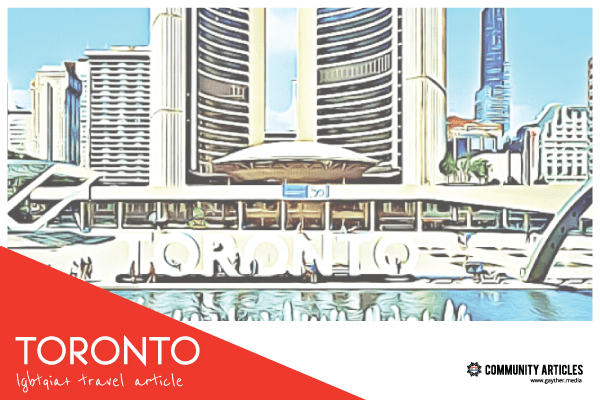
Toronto is known by many names: The 6ix, The Queen City, even The Centre of the Universe, but no word or term can quite capture its electric, unapologetic spirit that pulses through its streets. A city and country that has long led the world in LGBTQIA+ rights, this sprawling, six-district metropolis has built an integrated queer culture so woven into its DNA that it is an integral part of its identity. For LGBTQIA+ travellers, whether you’re drawn to the rainbow crosswalks of Church & Wellesley Village, the indie queer art scenes blooming across its neighbourhoods, or simply the knowledge that here you can walk hand-in-hand without a second thought, Toronto offers more than a welcoming vibe; it delivers a vibrant, ever-evolving scene filled with iconic nightlife, inclusive spaces, and one of the world’s most dynamic Pride celebrations. Whether you’re here to dance until sunrise, explore queer history, or soak in the city’s open-hearted energy, Toronto the Good makes good on its name, a top Canadian break for a good reason, as this city has a lot to offer.
Echoes Across Cultures: The Middle East’s Hard Line on LGBTQIA+ Rights
Within the media and widely acknowledged globally, the Middle East’s stance on LGBTQIA+ rights is often portrayed as ancient, immovable, and inherently cultural. Yet the region’s history is far more complex. Centuries of relative tolerance towards the community, as reflected in records, literature, art, and law, were gradually eroded by religious conservatism and European colonial influence. Today, as activists quietly resist and governments double down, the region stands at a crossroads between a complex past and an uncertain future. With over 60% of the population under 25, a generation far more aware of the world, is the Middle East starting to see shifts in societal attitudes among its youth, and is a new wave of tolerance coming of age? The question is no longer simply whether the Middle East will change, but whether it already is.
LGBTQIA+ Travel Guides: Destination Sitges
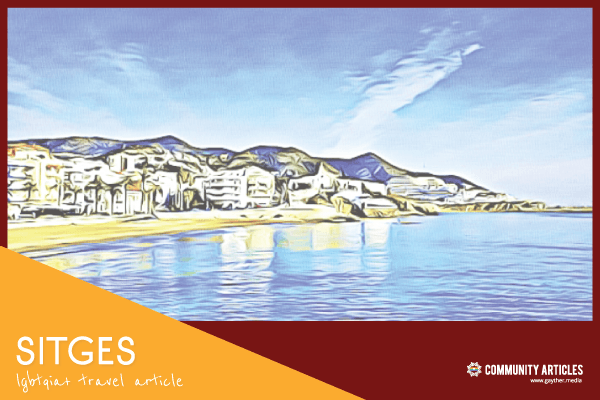
Sitges, often called the Saint-Tropez of Spain and recognised as one of Europe’s Gay Capitals, exudes effortless glamour with its golden beaches, whitewashed streets, and friendly, inviting vibe. It offers more than acceptance; it is a place of active inclusion. Located just 35 kilometres south of Barcelona on the Catalan coast, Sitges has long been a haven for LGBTQIA+ travellers, where freedom permeates daily life rather than being a rare occurrence. The charming town welcomes everyone with warmth, offering sunny Mediterranean views and laid-back seaside cafés by day. At night, it transforms into a lively hub of inclusive nightlife and celebration. Whether you’re here for its renowned Pride, cultural events, or simply the chance to be yourself in the Spanish sun, Sitges offers a liberating and memorable experience. Its carefree, open-minded spirit continues to attract visitors worldwide. Come for the sunshine, but stay because leaving feels impossible.
Cruise Culture: Gay Cruises for LGBTQIA+ Adventurers
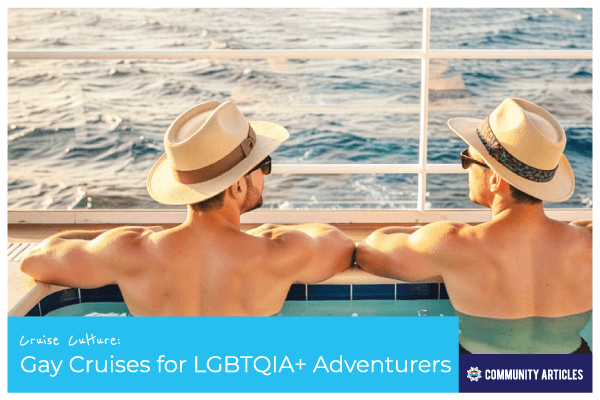
Set sail and create unforgettable experiences and memories. Imagine a holiday where everything you want or need is only a short walk away, and you never have to look over your shoulder or think twice. No code-switching or discreet signalling, just open water with like-minded people. A gay cruise is not just a holiday; it’s a full-blown experience. Today’s cruises are vibrant, inclusive floating resorts at sea, where LGBTQIA+ travellers can explore the world while feeling completely safe, seen, and celebrated. Forget outdated stereotypes. Modern ships are floating resorts packed with quality entertainment, standout dining, and a real sense of community. Whether it’s your first time on deck or you’re a seasoned cruiser, expect more than a getaway. Think connection, freedom, and adventure, all wrapped into one all-encompassing journey. It’s no surprise that more LGBTQIA+ travellers than ever are choosing to see the world this way.
LGBTQIA+ Travel Guides: Destination Seoul
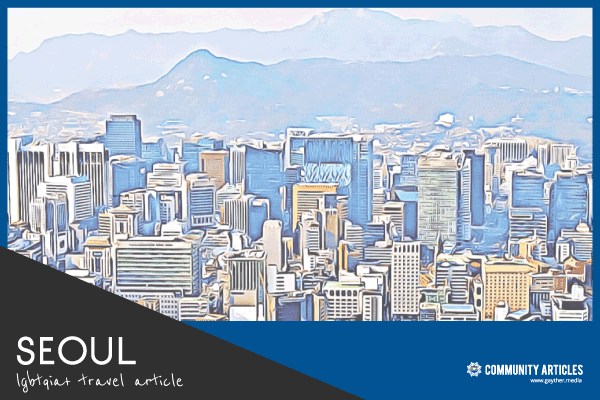
Seoul is a city of striking contradictions. Ancient palaces sit alongside neon-lit skyscrapers, centuries-old temples are just steps away from lively cocktail bars, and beneath it all, a quiet yet passionate movement for equality is emerging. Korea’s LGBTQIA+ community is carving out space in a country where conservatism once dominated, creating something genuinely electrifying. From the welcoming and vibrant atmosphere of Itaewon’s queer scene to the brave voices of activists shaping a new national conversation, Seoul offers the curious traveller much more than its skyline. This is a city that doesn’t merely balance tradition and modernity; it thrives on the tension between the two, and that very tension makes it unmissable.
Culture vs Change: Cultural Paths to LGBTQIA+ Acceptance Globally
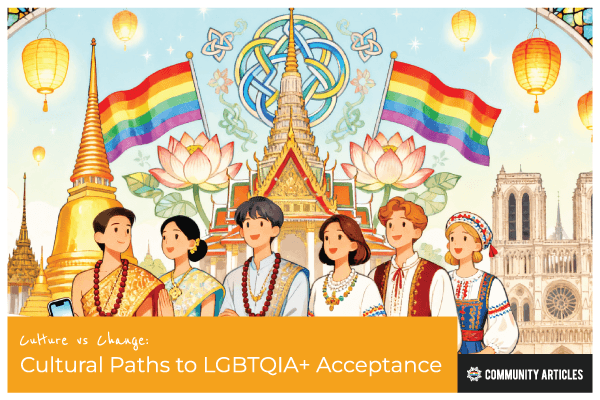
For thousands of years and in every corner of the world, long before the term LGBTQIA+ even existed, people loved and lived in ways that not only gained the acceptance of their societies and communities but also honoured them for it. Today, many so-called conservative nations, including numerous across Africa and Asia, were once among the most inclusive societies on Earth, with millennia-old same-sex traditions and notable individuals from history who helped shape their modern societies. Yet that history has been buried, replaced by a false narrative that portrays queerness as foreign, modern, and even Western in some regions. Same-sex attraction transcends race, class, and era, as seen in the lives of ancient rulers and pioneers of human civilisation alike. Recognising this history shifts the conversation, emphasising that, ultimately, the persecution of LGBTQIA+ people is not a moral stance rooted in tradition; it is a political strategy, as old as power itself, designed to divide and distract.
LGBTQIA+ Travel Guides: Destination San Francisco
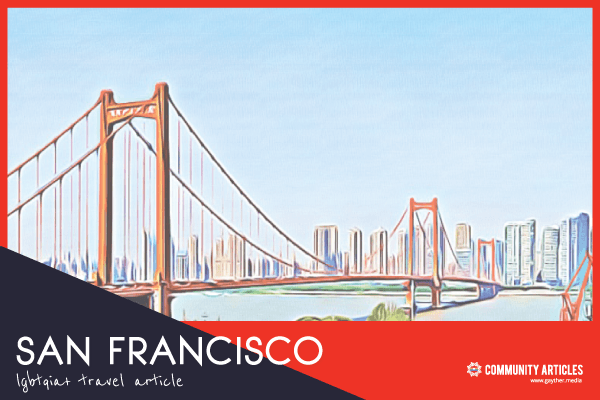
Modern San Francisco not only embraces the LGBTQIA+ community; it is this community that helped shape the city into what it is today. Known as the Golden City, this iconic destination boasts a rich history of hard-fought pride, self-expression, and resilience. From the rainbow-flagged streets of the Castro to the revered halls of its historic landmarks, every corner tells a story. Whether you’re following in the footsteps of trailblazers, riding the famous cable cars, raising a glass in one of its legendary bars, or simply soaking up the atmosphere in an inclusive environment, San Francisco is not just a place to visit; it’s a place to feel welcomed and become part of LGBTQIA+ history.
Hashtags and Harm: Navigating Safety, Speech, and LGBTQIA Rights Online
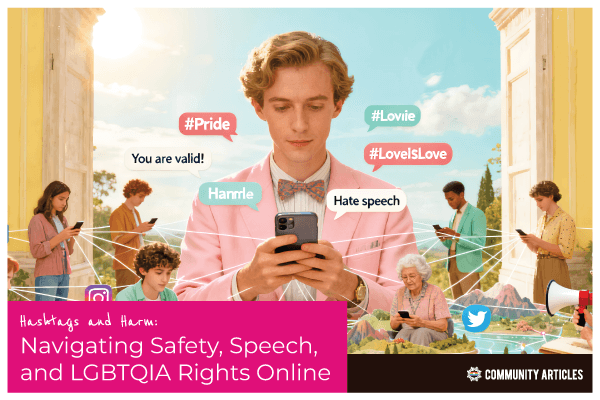
In an era where digital platforms influence public debate and opinion, social media has become both a lifeline and a battleground, especially for LGBTQIA+ and other minority groups. As online spaces amplify voices and support movements, they also expose users to harassment, misinformation, targeted attacks, and increasing online and real-life risks. As discussions about free speech and accountability grow more complex, we face a crucial question: how can we protect the right to express oneself without compromising safety and the fundamental rights of others?