











Why transgender people should compete in professional sport
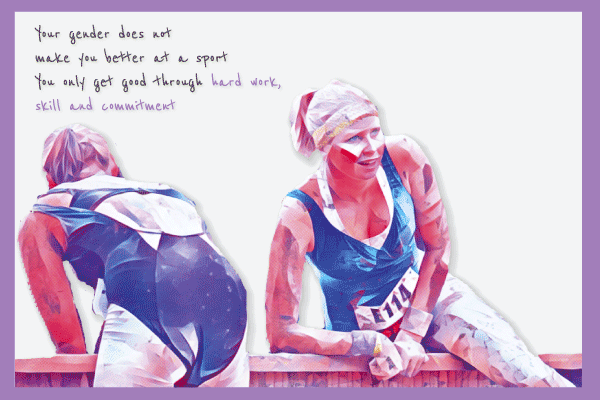
Why transgender people should compete in professional sports, understand why it is important and why other athletes have nothing to fear. Whether headlines of gender-specific bathrooms or participation in professional sporting competitions, the transgender community is often the target of media campaigns: articles, stories, and conversations designed to make them feel different and less accepted. Do a person’s gender and anatomic makeup at birth give them an advantage in the modern sporting world? Or is it ill-informed people using the opportunity to polarise opinions by highlighting complex subjects in a very public and negative way?
What is the difference between gay love and lust?
There is often a misconception outside of the gay community that gay people are casual when it comes to sex, preferring open or commitment-free relationships. Many perceptions are often fuelled by the wide range of smartphone apps, parades and tv shows in which gay men and women are shown only in a sexualised way with little or no depth. With many gay couples across the globe getting married and starting families, how promiscuous are the gay community? Or is it simply people not understanding the difference between love and lust?
Does Same-sex attraction exist within the animal kingdom?
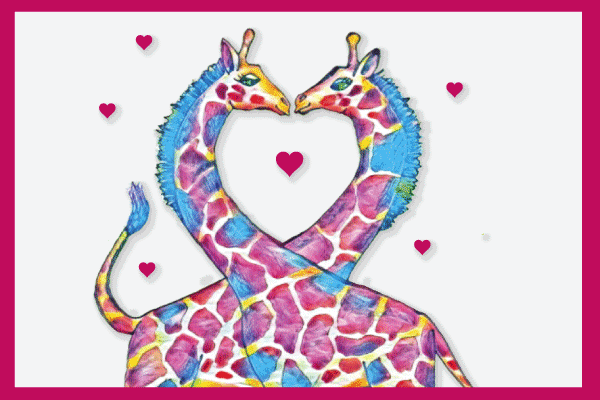
The earth is estimated to be home to over 8.7 million different species of animals, making it impossible for researchers and biologists to identify and list every type. With parts of the ocean as deep as 35 thousand feet and the Amazon rainforest covering 40% of South America, many more are likely still to be discovered. Of the millions of species worldwide, do any of the known animals show gay behaviours or characteristics?
Do you know all the identities within the lesbian community?
Named after the home of the ancient Greek poet Sappho, many Lesbians have fought hard for gender equality and the sexual freedom to love whomever they wish. Individuals who are statistically more likely to accept their sexuality than any other LGBTQIA+ group and are proud to share how they identify with the world. Learn more about this remarkable group which has a long history, more about the lesbian subculture, and all of the distinct groups and terms within it
Pride in sexuality: How well do you know the Gay subculture?
The gay community is full of terms relating to a person’s appearance and sexual preferences, from bears to twinks. Many of these terms have been around for over fifty years and have evolved and changed with each new generation. With these terms widely and frequently used amongst the gay community, is it deviant-like behaviour or honesty born out of centuries of repression?
Big Boys Should Cry: Redefining Gender Roles

With the number of male suicides, reports of domestic violence, and sexual assaults against men worldwide on the rise, it is believed that a large number of cases are still going unreported. For many, reporting these types of crimes are often seen as a weakness or a source of shame, creating a cycle in which those committing the crimes can carry on offending without any consequences. Boys and men are taught what it means to be a man from a young age, but not that bad things sometimes happen. Things that are out of their control and, most importantly, are not their fault. Is it now time that we all say big boys should cry?
From pharaohs to actresses: Important women from history
Women make up almost half of the world’s population, are bringers of life and have influenced or been the driving force behind many significant historical events. Discovered or invented life-changing science, technology and innovations for thousands of years. In 2021 and to celebrate Women’s History Month, let us look back at all of the amazing things women have achieved throughout the centuries
LGBTQIA+ Online: Tips for being safe online

Social media and smartphone apps are a great way to network, connect and meet people with similar interests. With growing hostilities towards the LGBTQIA+ community in some countries worldwide, it is crucial that when you are online that you remain safe at all times. Our top ten tips for online safety are designed to help you protect yourself but still allow you to meet interesting people from around the world
Adult Adoption: creating the family you need
For many young LGBTQIA+ community members, accepting who they are and coming out can be very scary. One major concern is always that their family or friends might reject or disown them after discovering the real them. Even if their families and friends accept their new identity, many more become alone and without guidance at a very young age. In the past 30 years, there has been a trend where people are delaying having children until their mid-to-late thirties. Today, with many more older parents, there is the risk that more significant numbers of people aged 30 or younger will have lost one or both parents at a young age. All of which have been attributed to increased numbers of young LGBTQIA+ individuals classified as adult orphans. A lack of support framework, guidance and loneliness at a crucial point in many people’s lives has meant some have sought out and created the family they need. Many form their chosen families from suitable people within their local community and friend groups. When creating the families we need, can those relationships become legally recognised? How viable is adult adoption? And is it legal in all countries?
Has the gay community achieved worldwide equality in 2021?
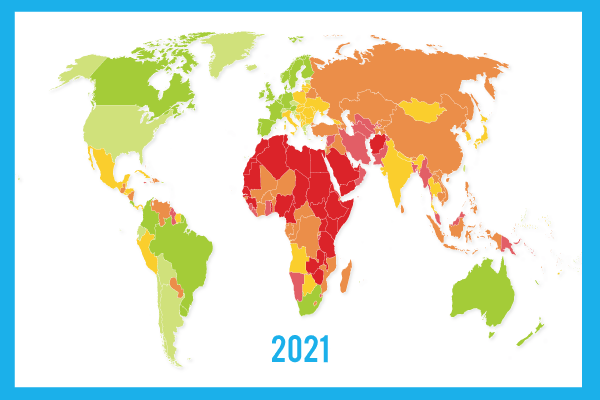
LGBTQIA+ equality, laws and legal protection for many within the gay community continue to improve. Each year more countries are adopting new legislation to be more inclusive, from legal recognition of gender identities to people’s fundamental rights to marry and adopt. Even with all the positive developments, seventy countries still have antiquated laws in force. Today, twelve are handing down death sentences as a maximum penalty. With a long way still to go, what is the worldwide LGBTQIA+ equality status in 2021?