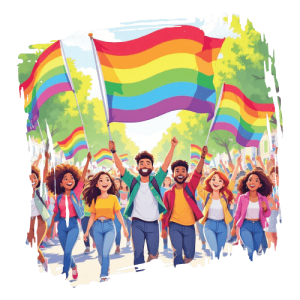
The pride-in series is primarily about showcasing the exceptional groups and people that make up the global LGBTQIA+ community. Taking pride is about educating and sharing information about the various identities, sexualities and special groups. It is a platform that showcases and highlights the groups of individuals who make up the global community and, hopefully, helps people feel pride. Experiences and treatments will vary for people from different groups within the international community.
Many will share similarities and even unite within the common cause for equality and legal recognition. However, how a person chooses to identify can vary greatly depending on the country, society, and culture they live in. The pride-in series will help them connect with their community and provide many reasons to be proud, regardless of how they choose to identify or love. Whether a person is straight, gay, transgender or cisgender, the pride-in series is for everyone and highlights that we are all unique and special.
Acceptance and coming to terms with how a person chooses to identify or love, especially accepting it themselves, is hard. The process of self-discovery and acceptance is often the most significant and challenging step for anyone from the LGBTQIA+ community. The acceptance process can be complex and made worse when we cannot connect with or identify others like us. Failing to find positive representation can make a person feel disconnected, alone and isolated.
The reality is that once a person becomes aware that others out there think and feel as they do, even in part, it can be liberating. Often, it helps them feel represented and reassures them that they are not alone. No one is the same, and if a person cannot identify with a group, it does not mean there are not others out there who think and feel similarly. Sexualities, identities, age, and circumstances are not always easy to group, define, or even be fluid.
Being different from the majority is not always easy. Understanding and accepting who they are often takes immense courage, especially given the risks many will likely face. Positive representation and education can help, giving them a platform to take pride in who they are or have become. There is no right or wrong, normal or different, just unique people with common goals and with aspirations to be free, loved, and safe.
Learn more about the extensive resources available on Gayther, which takes pride in all the groups that form the global community, including those from conventional identities and sexualities. Ultimately, remembering that we are all unique and special, and how we identify and choose to love, is part of who we are as individuals, but not the only thing that defines us. Love is love, and accepting those different to us is crucial in a free and fair society.